
Disclaimer:
The film I’ll be reviewing this week is rated: R
It will include sexual content, adult themes, and other matters unsuitable for younger readers.
That is also what makes it great, but that’s beside the point.
Ah. It’s nice to be taking a look at quality films again. My sister’s birthday was this past Sunday. In honor of that, I decided to cover one of her favorite films. Ever since I saw this movie with her, I have to admit, it’s one of my favorites, too.
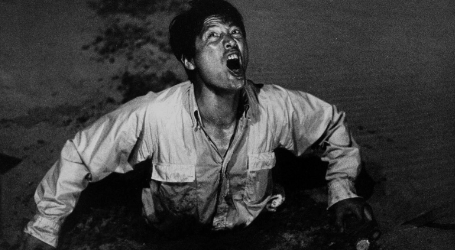
Suna no Onna (砂の女) is a Japanese art house film directed by Hiroshi Teshigahara released in 1964. It’s centered around a college professor who’s also an amateur entomologist. One day he decides to research a rare desert beetle only to miss his bus back to civilization. What follows is a harrowing experience when the man discovers the titular woman and is forced to survive with her.
The film is loaded with complex visual storytelling elements, gripping drama, and psychological intrigue. It also raises poignant questions about why we choose to keep living and division between the sexes. I’ve only seen this film once, so there are several tidbits I certainly missed the first time. But, since I’m such a big fan, it’ll be plenty of fun to go over them again.
With that said, let’s head to the desert and see what we can dig up in Suna no Onna.

Before we get too far, it’s good to know that this film is a Criterion Collection inductee. For those who’re unaware, the Criterion Collection’s goal is to preserve films of historical significance. These are films that have influenced the world of film-making in some aspect or another. The films in the collection aren’t all masterworks, but each of them mark an important moment in film-making history. What’s more, they come from across the globe.
Even some films I’ve covered on my blog are Criterion Collection inductees. For example, The Others, Pan’s Labyrinth and WALL-E also hold spots on the collection’s roster. The reason I’m bringing it up now is because preservation for this film was absolutely crucial.
Not only is it a Japanese film – Japan is notorious for not properly preserving their history – it’s also an evisceration of Japanese society. So you can see why Japan wouldn’t feel eager to preserve it. Luckily, it was rescued by the Collection, so we can still watch and enjoy it today. Also, I’m reviewing the original English subtitled version. Many images will include subtitles (much like my Pan’s Labyrinth review), so bear that in mind.
If you’d like us to do a sub/dub comparison on this blog, by all means shoot us a comment. We’d love to hear from you.

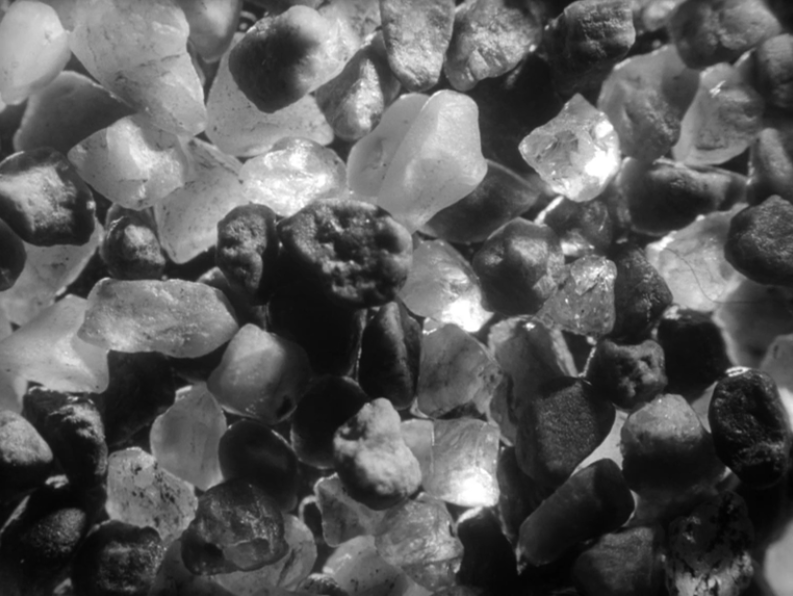
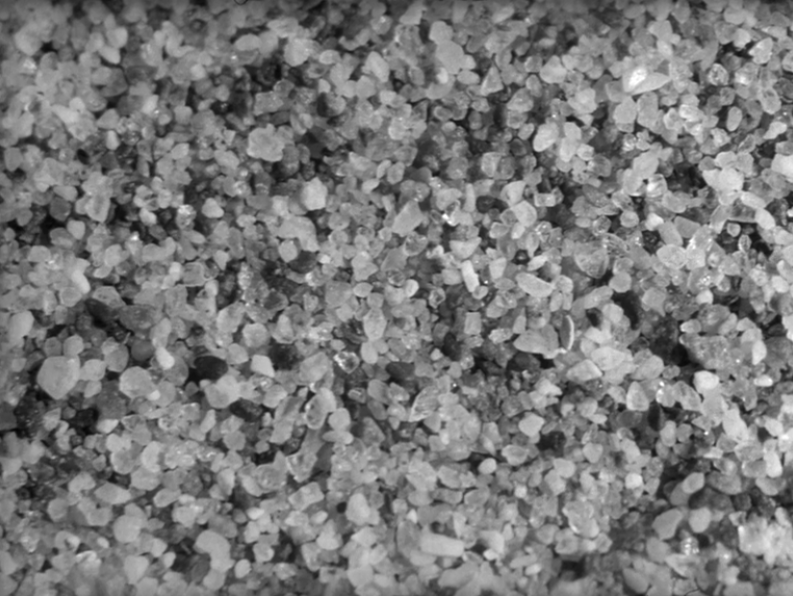
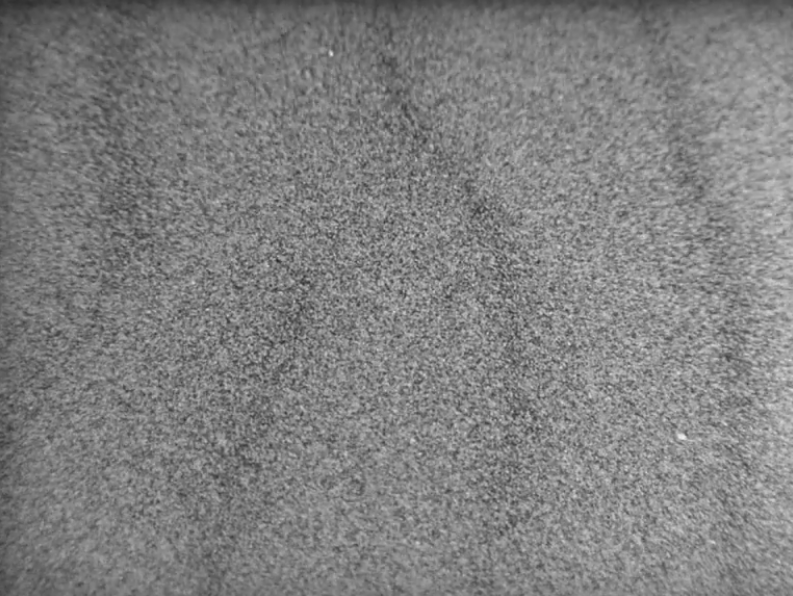
These are the first shots of the film, and this emphasis on sand permeates throughout the movie. It makes you feel lost, powerless, and there’s hardly a shot that doesn’t include at least a grain of sand. Not only does it help create the film’s tone, but the subtext surrounding the sand becomes apparent quickly.
Soon after these glamour shots of the desert, we see this:

While he isn’t technically lost yet, this framing of the shot makes perfect sense upon second viewing. Given the context of the rest of the movie, the sand could be a metaphor for society in general.

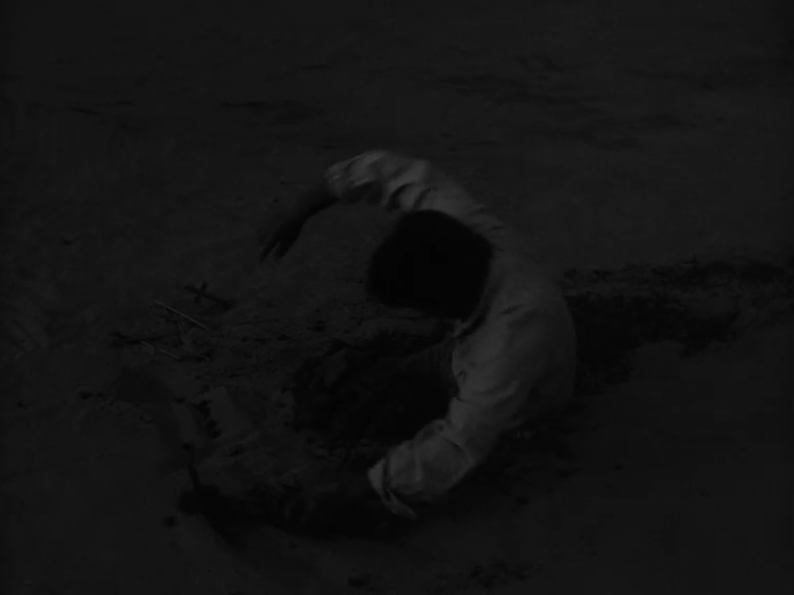


Then all that remains is the question:

It raises several thought-provoking questions and we haven’t even made it to the meat of the film. Speaking of which, who’re our major players? The first is our protagonist (played by Eiji Okada). I know what you’re thinking. “What’s his name?” The movie doesn’t tell us. Well, it does, but only in the last shot. The rest of the time, we have no idea who he is. He’s just a college professor and insect enthusiast who went to the desert to find a new species of tiger beetle.

Part of what this movie does well is keeping the cast small and focused. We come to understand their motivations, personalities, and ideals through their actions and dialogue. Despite not knowing his name, you still feel endeared to this guy due to the situation he’s thrust into. After missing the last bus to Tokyo, he decides to stay the night at a local woman’s house. Little does he know, this whole thing is a trap.
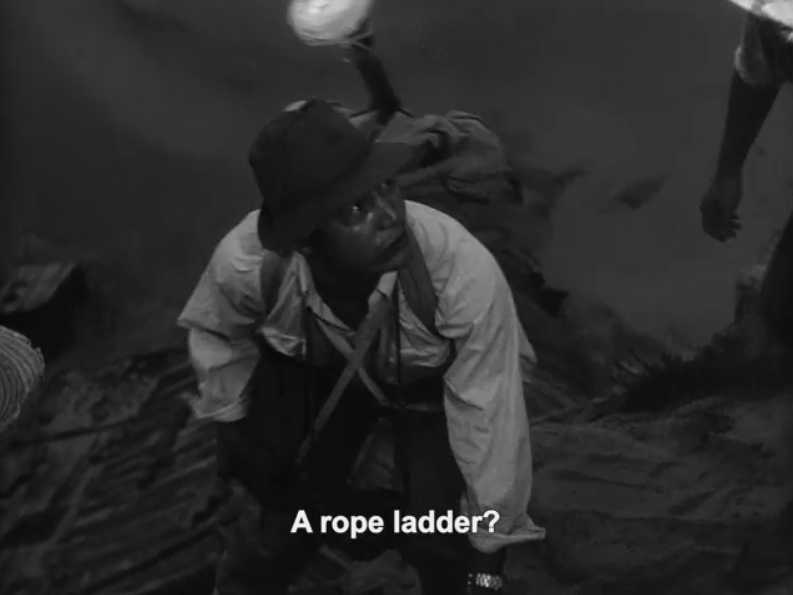


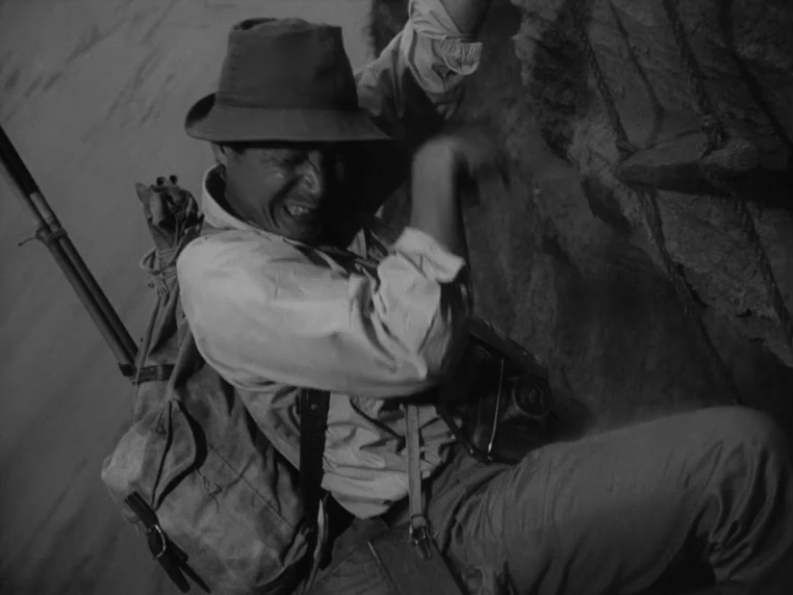
Once he’s introduced to his roommate, the woman (played by Kyôko Kishida), we start to learn more about him. While he seems polite and glad to have the woman’s company, he isn’t gracious when disagreeing with her.


Dick move, guy.
This does go back to what I mentioned in the intro, though. The clearest subtexts in the film are those surrounding society and sex. What’s happening here falls into the latter category. He thinks, as a man, he knows more about the desert than she does. However, she’s lived there for years. She’d know more than him. Time and again he’s proven wrong and he’s forced to relent to her superior knowledge.
For example, this conversation about sand holding moisture comes back into play later. The woman says sand can make wooden beams rot due to the moisture, but the man disagrees. After trying to capture a crow later in the film, he accidentally creates a sand well.
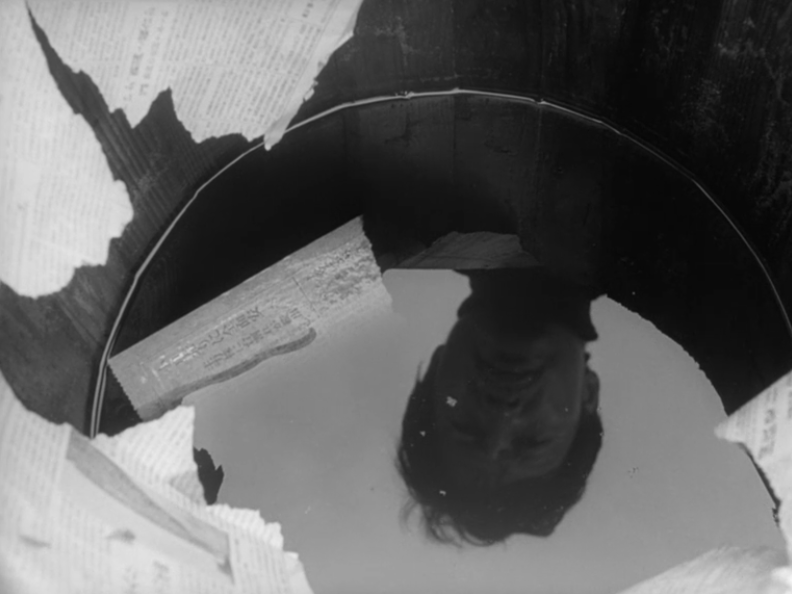
So, the woman was right.
Since this house is essentially built on a sinkhole, the woman is forced to shovel sand every night. If she doesn’t, her house will be buried. The man refuses to help because he doesn’t want to help the people who trapped him there. Eventually, he subdues the woman in an attempt to force his captors to let him go.


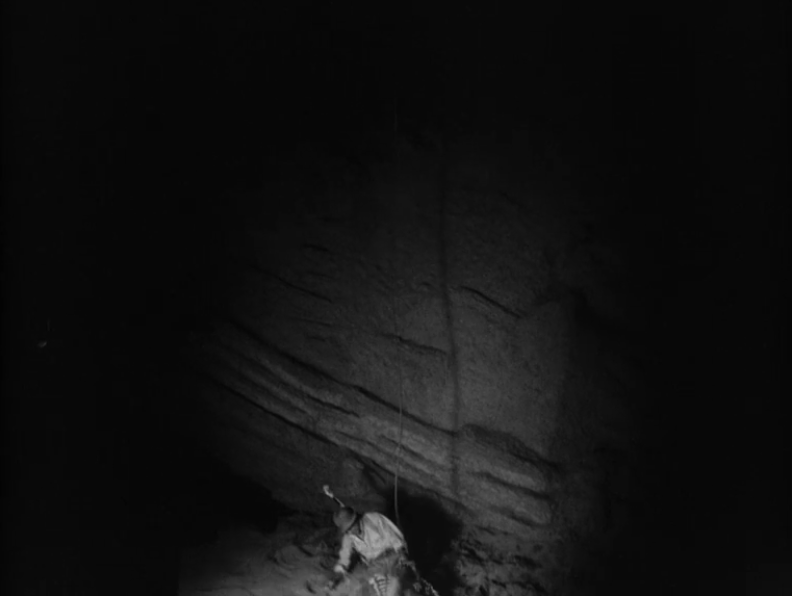
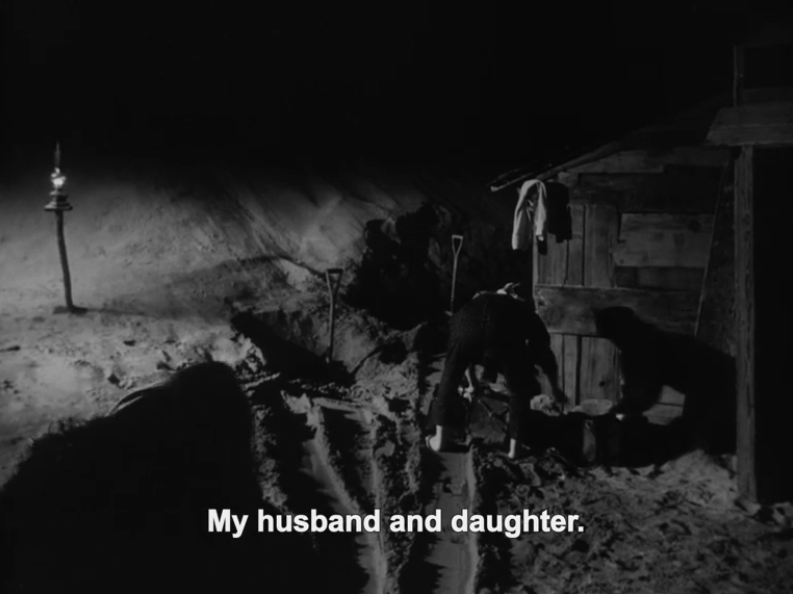
With no other choice, the man starts shoveling sand. Again. The woman was right. The last instance I’d like to discuss is also the most persistent in the film. The man can’t sanction why the woman continues to live in these conditions. He questions her about it often and she offers a few different answers. The first is that her family got buried under this very same sand and she wants to find them.

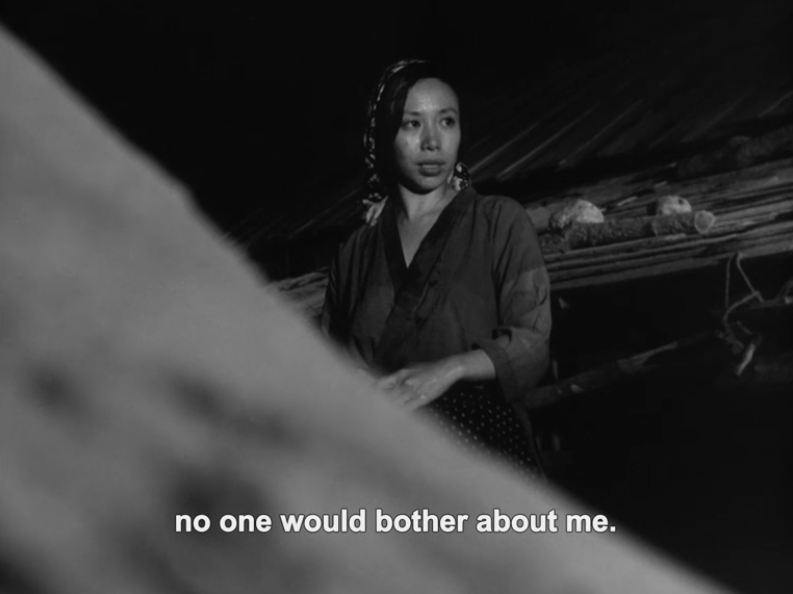
Another reason she gives is that if it weren’t for the sand, no one would care about her. Her work gives her purpose.

The last is probably the most relatable. Despite the hardship in this place, it’s home. She’s lived here for years and can’t imagine living anywhere else.

I like how she gives multiple reasons for staying. It makes her feel more real, just a person trying to make the most of her situation. Another great thing about her character is how restrained she is. On several occasions the man tests her patience. Yet, she keeps smiling. You can even tell by Kishida’s acting that she wants to lash out at him, but chooses not to. This, I think, is another clear indication of division between the sexes.
Oftentimes, women are forced to sit down, shut up and let men walk all over them. Although, through her facial expressions, you can tell how she truly feels.
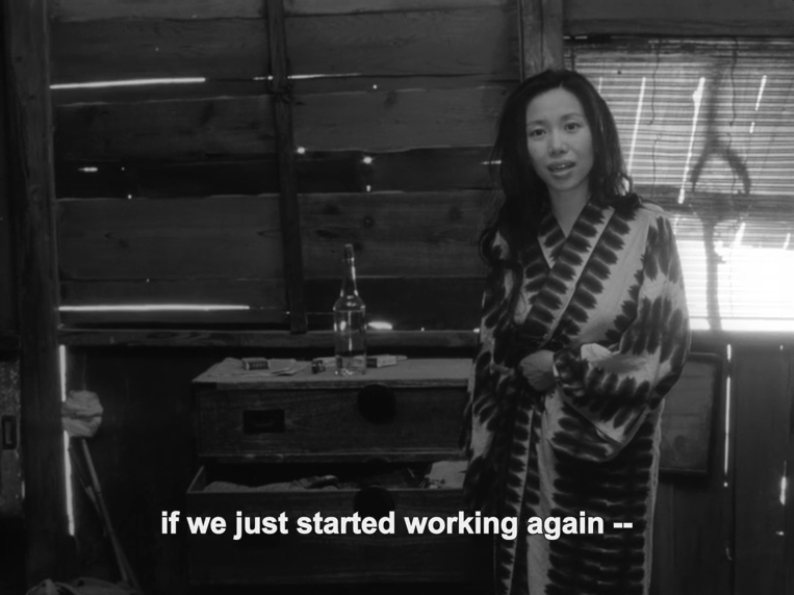
You can also tell that she’s trying real hard to keep up appearances.
Only on a few occasions does she lose her flowery demeanor. Usually it’s related to sex. The first time her façade fades away is when she and the man share a night of passion.

This doesn’t happen because the two love each other. The sand has made it very clear that both of them are lonely and needy. So, this isn’t “romance” so much as “necessity.” The man being separated from civilization and the woman living alone for years is the reason for it. They’ve been longing for a connection with another person, and this is the best way they know how.
The second instance is towards the end. I have a hard time talking about this scene because it’s really intense. The man wants to go out and see the ocean, but he has to have sex in front of his captors.


It takes him a minute, but he eventually drags the woman out to…r**e her in public. Naturally, she fights back and eventually lands a nut-shot, which incapacitates him. She then devolves into embarrassed crying and the violation she’s feeling is clearly visible.


With all that being said, how does this movie end? By the time you get to the end, you feel just as trapped as these folks do. After several failed escape attempts, the man gets an opportunity to leave – but he doesn’t. What’s great about this choice is that there are several conclusions you could draw from it. I think what makes the difference for me is the woman being diagnosed with an ectopic pregnancy (the fertilized egg gets stuck in the fallopian tube).

By this point, for better or worse, the man has become endeared to the woman. He’s lived with her for months now and has learned to care about her. He takes the chance to see the ocean one more time, but then he returns to the house. I think that goes back to what the woman described earlier. She stays here with the hardship because it’s her home. There are people and a life here she cares about, and the man has learned the same.
In the end, the man is put on a missing person’s list. No one was ever coming to rescue him.
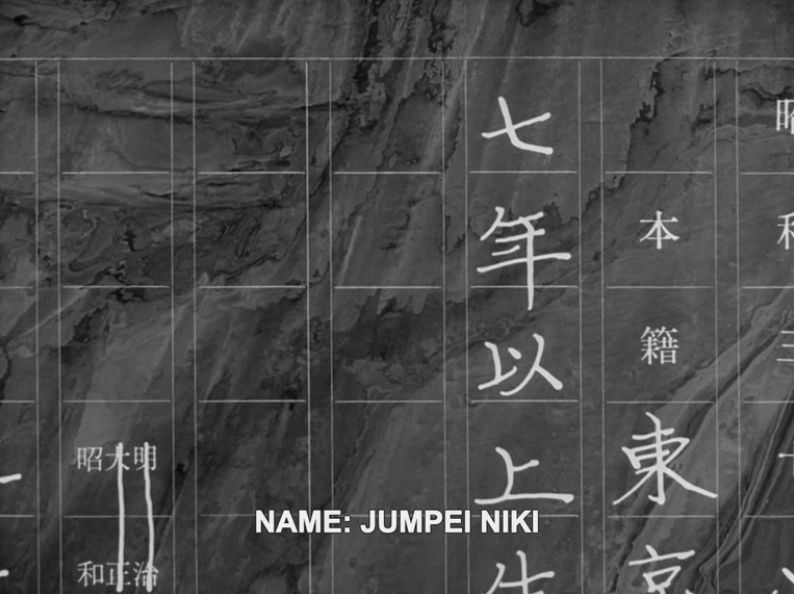


That’s the harshest part of this movie for me. How little society cares about you as an individual. I think I’ve said enough for one review.
There’s definitely more I could talk about here, but this movie is just so dense. I couldn’t begin to cover it all in one post. If you want to, feel free to seek it out and give it a watch. It’s worth it. I promise. That’s the best way to get the full effect of the commentary.
Even though it can be hard to watch at times, I still love this film. It’s so poignant, realistic, relatable, and surreal. My favorite films are filled to the brim with little touches that add up to mean something big. And this film is no exception. One day I’d like to make a list of my favorite films I’ve covered. Rest assured, this movie will be on it.
If you’ve seen this film already and want to discuss it, I’d be more than happy to. There’s certainly plenty of material to talk about. So if you have time and want to experience a film unlike any other, Suna no Onna is a great choice.
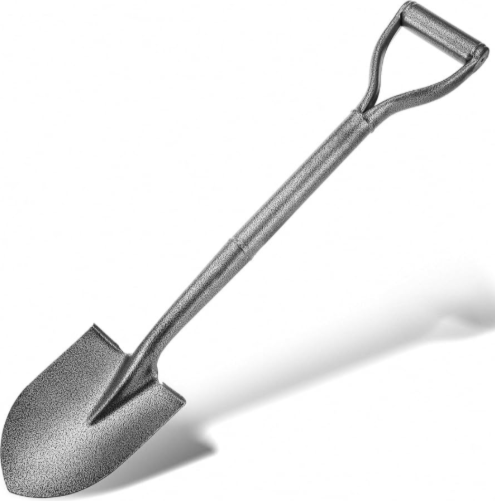
Given my enjoyment of the subject matter, I’ll give this movie a 5/5 shovels. This isn’t to say the film is flawless, all it means is, by my standards, the film is perfect. If I had to nitpick anything, the movie can feel too artsy at times, but that’s why I like it. Unlike mainstream cinema, this movie set out to give you something you’ve never seen. I can’t help but respect a film for that.
(I make no claim of ownership for any of the images used in this post)
(Each of them are owned entirely by their respective copyright holders, which are not me)
(I’m just a humble blogger who talks about movies, I do not make them)
(Despite the fact this is a film I really wish I made)


Leave a Reply