
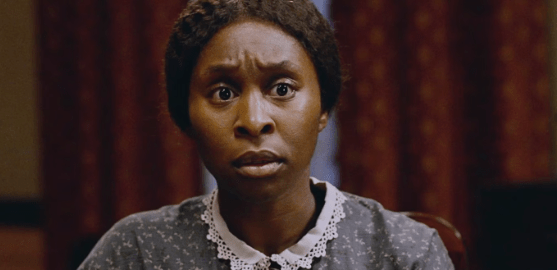
Disclaimer:
The movie we’re looking at this week is rated: PG-13
There will be heavy themes regarding slavery (naturally), violence, and abuse.
If these topics unnerve you in any way, it might be best not to read any further.
Harriet Tubman. This woman is the historical definition of “badass” because of her perseverance, determination, and ruthless efficiency. Due to her intervention, hundreds of slaves managed to escape their bondage and live in freedom. She also inspired hundreds more to escape on their own. Ever since I learned about this woman in school, I wanted to see a movie about her. Luckily, they finally gave us one in 2019. How did they do?
After seeing this movie once, I want to praise it, but I’m not sure if I can. There are certainly some cool scenes in the film that live up to Tubman’s illustrious reputation. Similarly to Malcolm X though, I don’t have a solid enough understanding of Tubman’s history. However, I think that speaks to the United States’ flawed education system. When I was in school we only ever learned the Underground Railroad existed, Harriet Tubman was awesome, the end.
As a result, much of this review will involve me watching the film an excessive number of times and researching. Given my first impression of this movie, I feel like I’ll enjoy this process, and I’ll definitely enjoy researching. The more I and every American can know about Harriet Tubman, the better. So, let’s take a look and see if this movie really lives up to her name.
This week we’re heading back to the South as an Underground Railroad Conductor in Harriet.
Anyway, that’s beside the point. Let’s focus on the movie itself. Considering how much I love Harriet Tubman and her history, there’s a bunch of intrigue in this film. Not only that, but the acting is on-point. Harriet, born Araminta “Minty” Ross (played by Cynthia Erivo), is clearly strong, passionate, and goal-oriented. All of this just comes through Erivo’s acting as well.
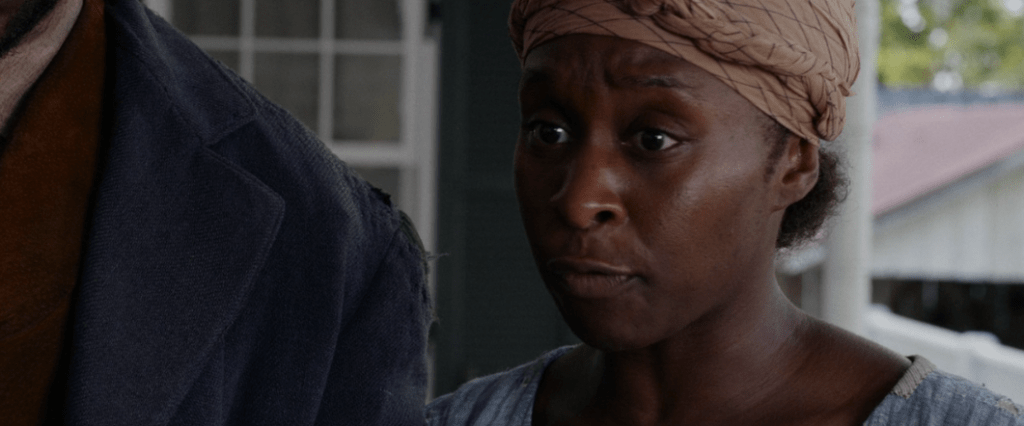
She’s also talking like this to her “master.”
Geez, that feels so wrong to say.
There’s also this moment where Harriet rejects the slave driver’s son’s (played by Joe Alwyn) pathetic attempts at “comforting” her.
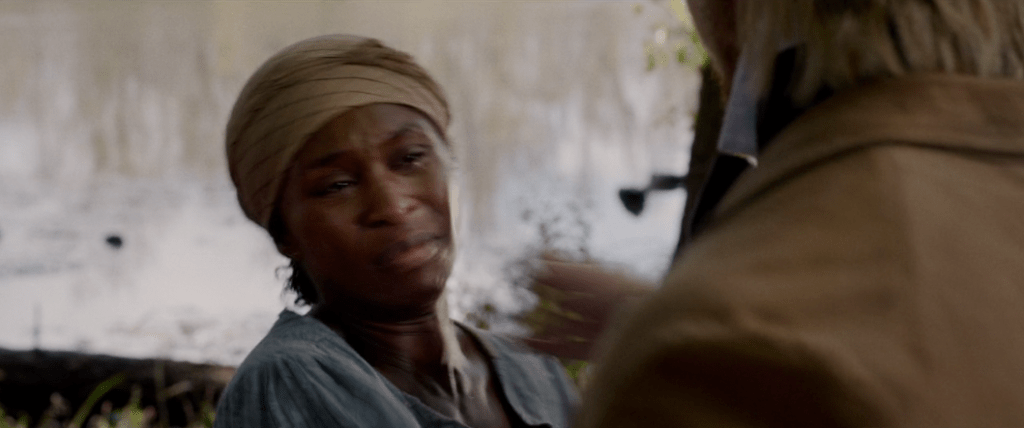
She gets slapped because of this, but I’d say it was worth it. She probably would too.
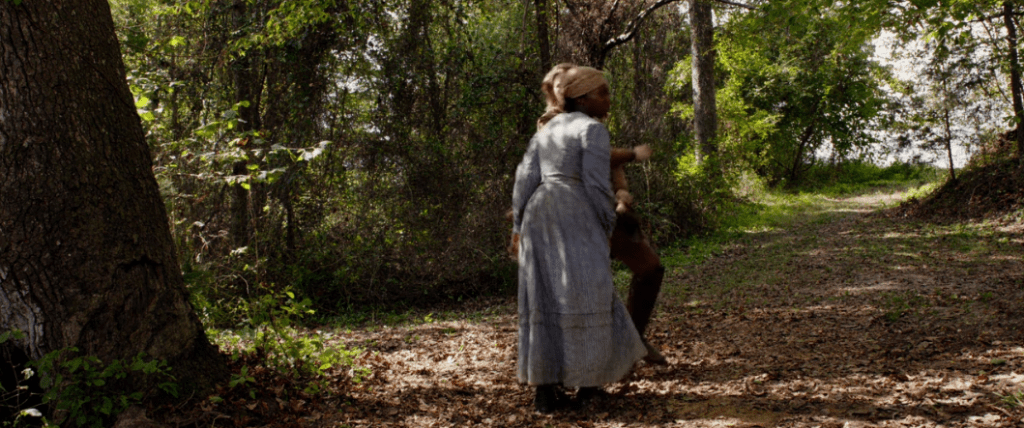
Although, this leads me to one of the main points of this film that I wanted to discuss. This scene is pretty well laid-out dramatically. It allows us as the audience to absorb some of Harriet’s early life and what exactly created her philosophy. Basically, it does what a biopic should do: offer insight as to why a person was the way they were. Unfortunately, none of this actually happened. Or, if it did, a lot of it was fabricated for the sake of the movie.
In fact, Gideon’s character doesn’t even exist. While Harriet’s slave driver, Eliza Brodess (played by Jennifer Nettles), did historically have a son, not much is known about him. Actually, not much is known about Eliza for that matter. The one thing we do know is Eliza’s son contracted Typhoid as a boy and Harriet looked after him. The movie does touch on this, but everything else about Gideon is concocted.

He is easy to hate, though.
I wouldn’t mind so much if Gideon were just a passing character, but he’s the driving force in the movie. He’s the main antagonist and constantly hunts Harriet from beginning to end. Part of me wonders if this decision was made purely for the sake of contrast. Don’t get me wrong, having a self-righteous White man fight a heroic Black woman is some stark contrast. It also serves as a striking image.
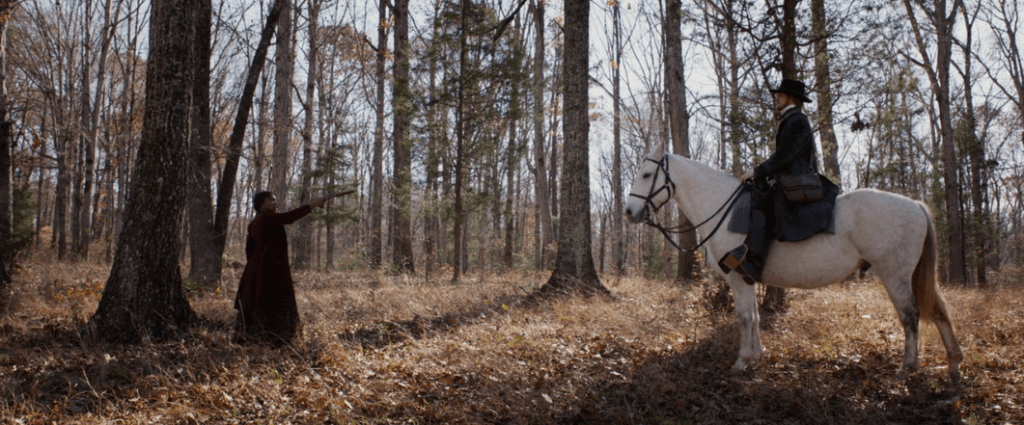
Although, was it worth it? Personally, I can’t help but be distracted when a historical story deviates so far from the truth. Like I said, the acting is still stellar. And, of course, these scenes can be pretty awesome. Especially this one towards the end where Harriet shoots Gideon’s fingers off.
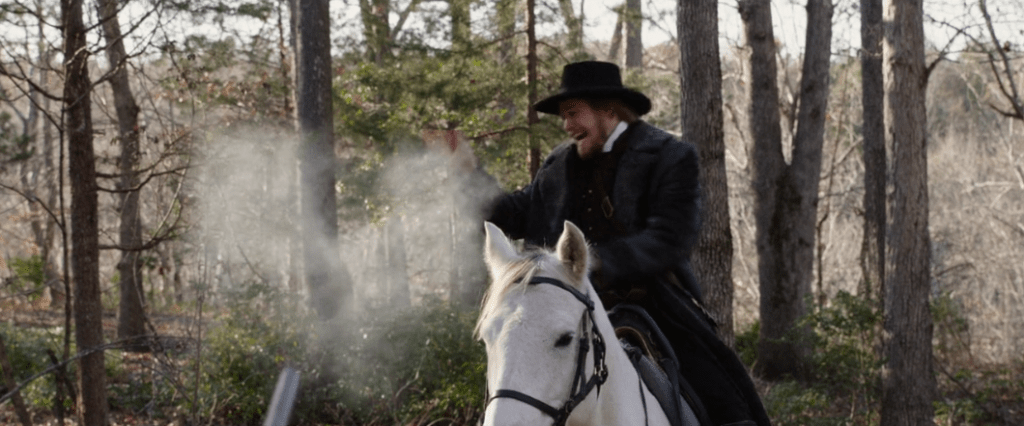
Screw those fingers and the hand they rode in on!
But, again, I can’t help but feel let down when I remember this never happened. I’m sure some of you might be thinking “Who cares? So long as it’s entertaining, what does it matter?” To some degree, I can see what you mean. Where it gets harder to defend is when the true story is more interesting than the fake one.
For example: the Combahee River Raid. This was a real event that took place in the midst of the Civil War and was led by Tubman. She was the first woman (and, by default, first Black woman) to lead a major U.S. military operation. During this outstandingly successful raid, she liberated over 750 slaves from bondage. She was also posthumously promoted to One-Star Brigadier General in the year 2021 because of this.
Is it in the movie? Yes. At the end. For a couple minutes. They don’t even show the cool parts.
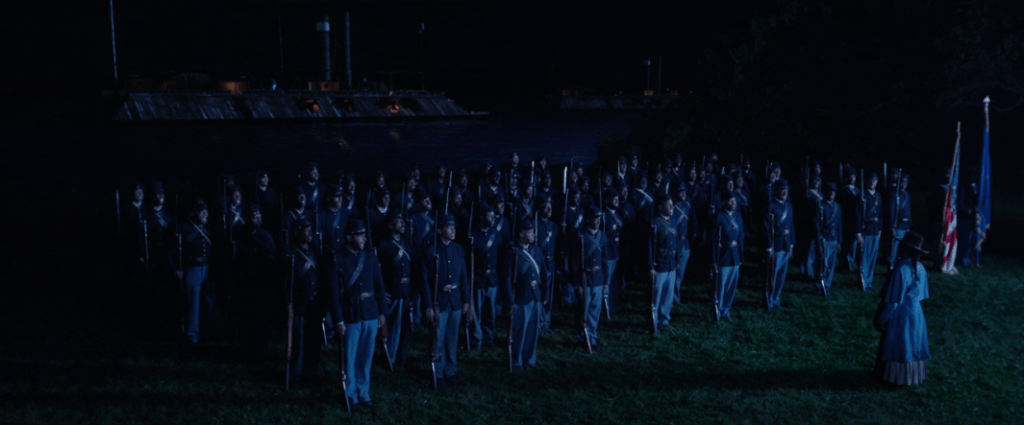
While she shares a poignant metaphor about slavery with her troops, I personally would’ve loved to see the actual raid.
Although, I’ll admit it’s hard to resist the image of Harriet holding a rifle.
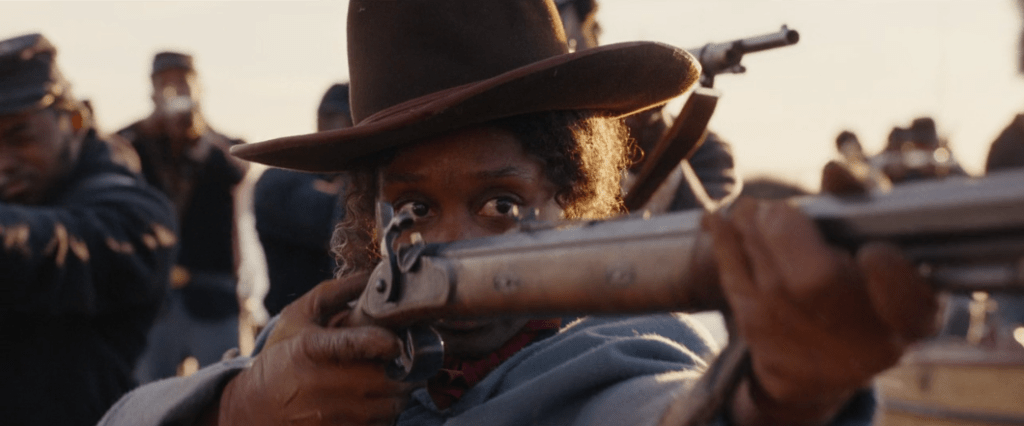
Gideon and the Combahee River Raid aren’t everything, though. Take the character of Marie Buchanan (played by Janelle Monáe). I don’t have any issues with her as a character. Honestly, she’s pretty likable. She owns a boarding house in Philadelphia, Pennsylvania while also being a Black woman in the mid-1800s. That and she’s a close friend to Harriet. The only problem is she never existed.
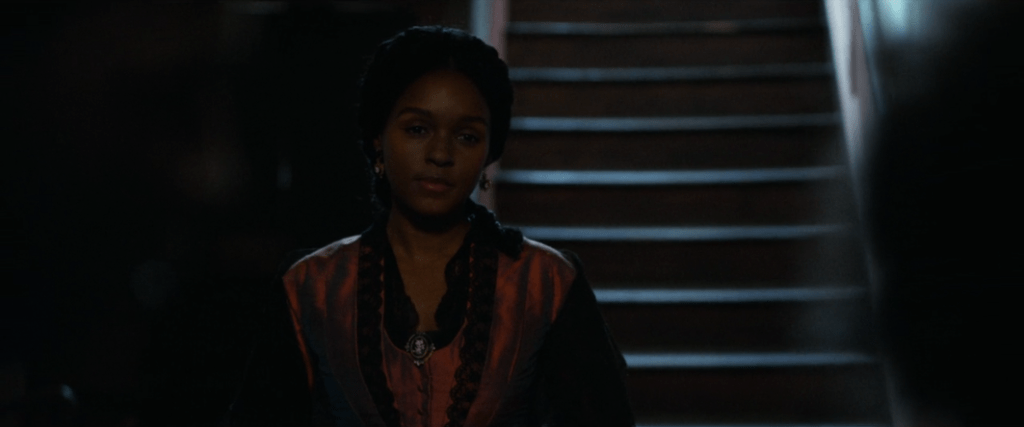
It’s hard to get invested in this relationship knowing that it never took place. Especially when Marie is killed later on by slave catcher Bigger Long (played by Omar J. Dorsey).
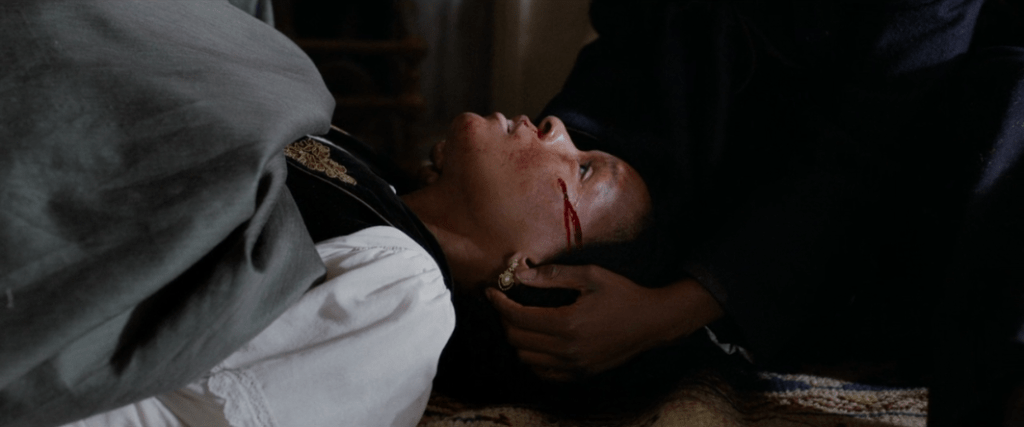
This is a moment that deeply affects Harriet, but, again, knowing that it’s completely fabricated takes away any emotional connection the audience could’ve made. Marie Buchanan wasn’t even based on any historical person. She just straight up didn’t exist. So did Bigger Long (or rather, didn’t), by the way.
So, what’s my deal? While I’ve been a big fan of Harriet Tubman since childhood, it seems like all I’ve done is crap on this movie. Do I like it or not? After doing deeper research into Tubman’s history, I’ll say that the historical inaccuracies are unfortunate. To that same end, they aren’t the be-all/end-all. Malcolm X had historical inaccuracies, namely surrounding his personal experiences, but I still liked it. Honestly, I still like Harriet as well.
Even though I’d prefer a more faithful retelling of her experiences, what’s in here is very compelling. I also understand that considering the time-period, it’s more difficult to reproduce a faithful adaptation of her life.
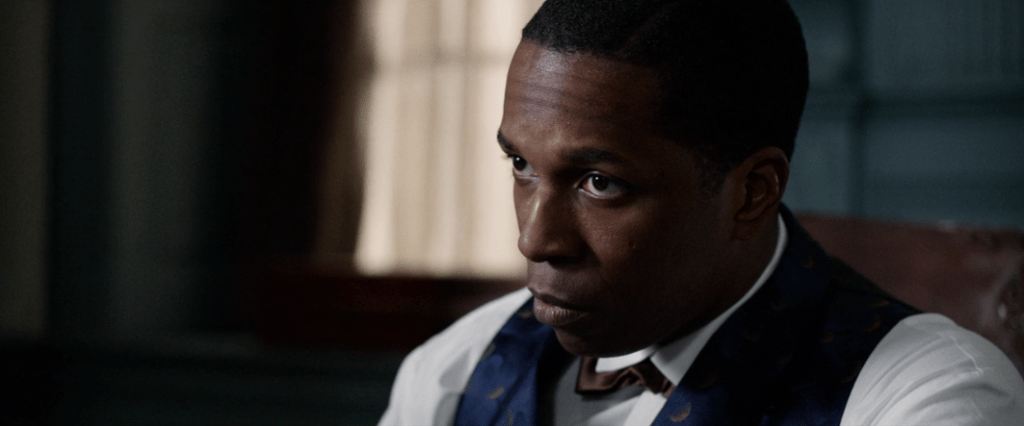
When it comes to a historical figure like Malcolm X, we have video recordings of him and his own autobiography. Portraying his story on film, by default, is easier. In Harriet Tubman’s case, she’s from a period with no video recording, and she never learned to read or write. We have William Still (played by Leslie Odom Jr.) who recorded her firsthand account, written interviews, major historical events, and secondhand accounts from people who knew her.
That’s something to go off of, but not much. Because of that, I also don’t blame the filmmakers for the inaccuracies. You do your best with what you have. So, what do I like about this movie?
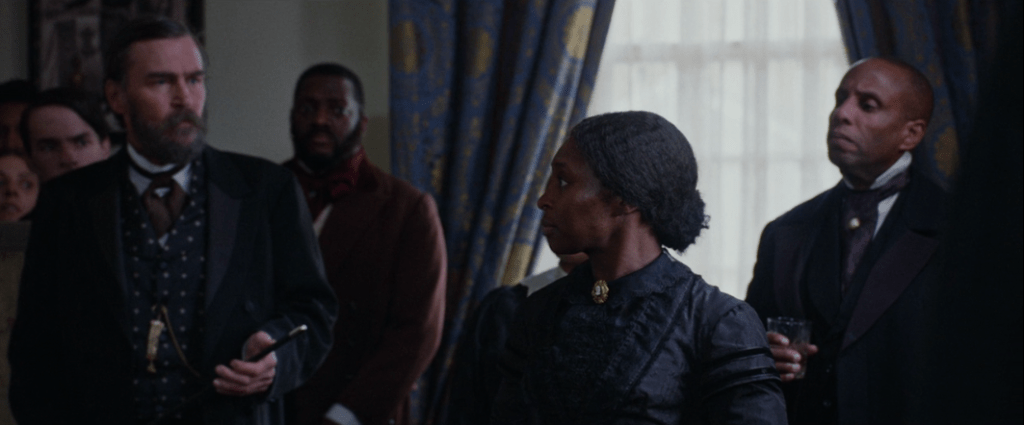
The spirit of Harriet is strong.
Much like Malcolm X, the thing that compels me the most about the film is the representation of the title character. Despite what I’ve mentioned, this movie has a clear love and respect for Harriet and that’s easily my favorite part. Take a look at this scene where Harriet escapes for the first time. She first stops to say goodbye to her mother Harriet “Rit” Ross (played by Vanessa Bell Calloway). This is how she does it:
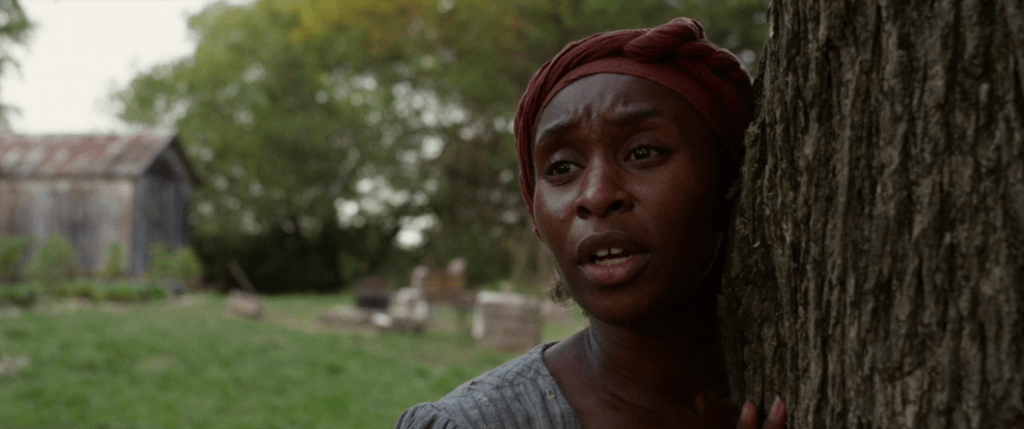
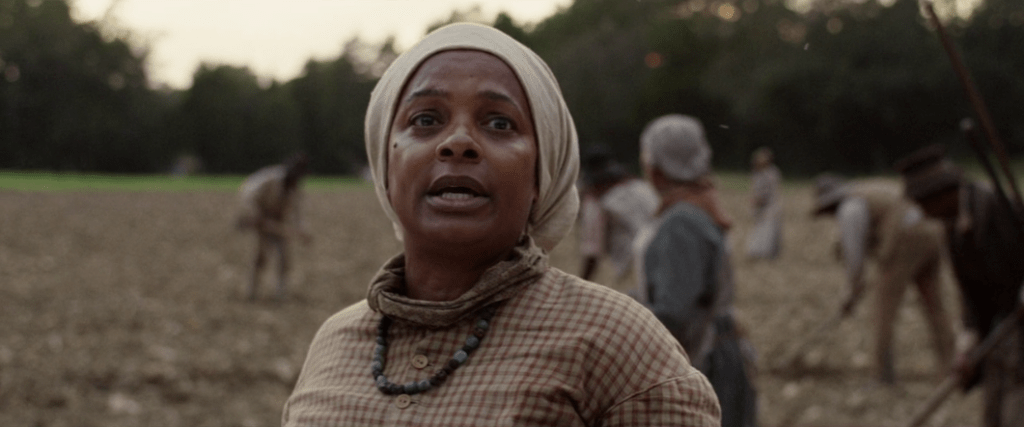
I love this moment because it allows us to absorb the humanity of these people and gets emotions across quickly. It’s also historically accurate, because song was one of the ways slaves subtly communicated escapes to each other. I actually love this moment so much that I’ve been singing this song non-stop for the past several days. It’s a very powerful moment and it reminds you exactly why Harriet was called “Moses.”
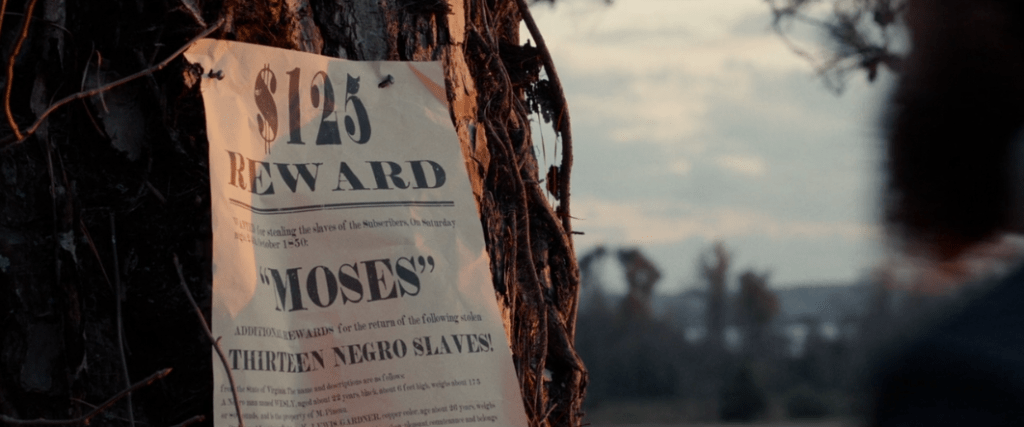
There are a lot of references to the classic bible story in this movie. You could even argue that the film’s story is, to some degree, modeled after Exodus. Or at least well-known retellings of Exodus. The rivalry between Harriet and Gideon has strong parallels to Moses and Rameses from The Prince of Egypt. Slaves running away with the help of a stalwart leader is pretty clear. Mentions of “The Promised Land” are also very telling.
In fact, considering the Prince of Egypt connection I made, this movie could’ve been a great musical.
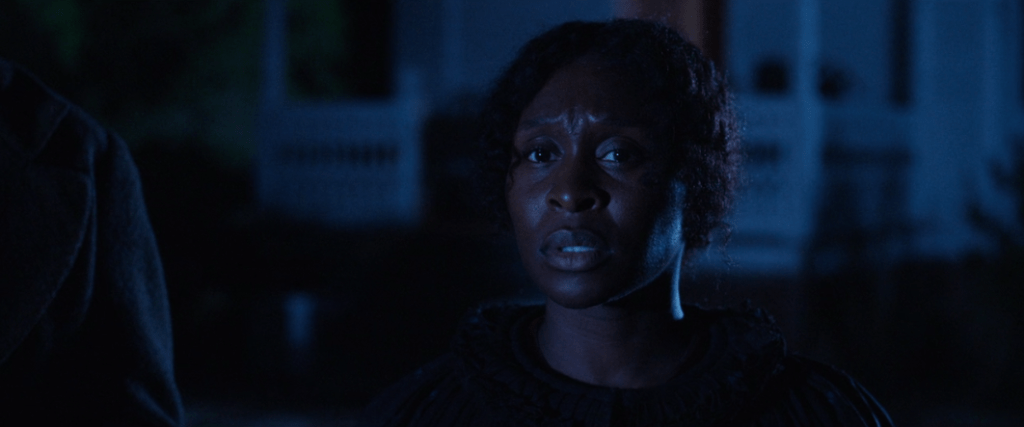
Cynthia Erivo has years of formal vocal training behind her and it’s spellbinding whenever she sings. She was even nominated for an Oscar for the original song she sang, “Stand Up,” over the end credits. Not only is there great musical talent in this film, it would make the historical inaccuracies more forgivable if it was a musical. Take, for example, the musical Hamilton.
While it is depicting historical events, it gives itself leeway on the technicalities by being a musical. There are historical inaccuracies in it, but people are randomly breaking out into song, so that’s to be expected. I’m sure that Cabinet Meetings weren’t actually rap battles historically. That doesn’t make it any less good though. In fact, it makes us more invested in the content by making the boring aspects more grand and fun.
With a story like Harriet Tubman’s, “fun” wouldn’t be the first word that comes to mind. However, by making it a musical, you can still convey a deep respect for who she was, deep and compelling drama, and make it larger-than-life much like the woman herself. Not only is Erivo musically gifted, but several of her costars are as well. Vanessa Bell Calloway carries her voice well. Janelle Monáe is a singer first and an actress second.
Heck, Leslie Odom Jr. literally played Aaron Burr in the original Broadway cast of Hamilton.
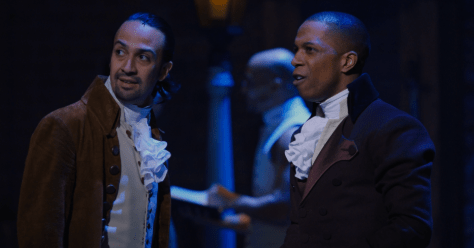
That doesn’t mean that there still aren’t plenty of good moments here. On screen, there’s a clear division between Black and White, where the Black is white and the White is black. If you get what I’m saying. Most movies that touch on this subject manage to keep me hooked. Just given that setup, it portrays that division very well in some rather interesting ways. Even though the man didn’t exist, Bigger Long is a great example of this.
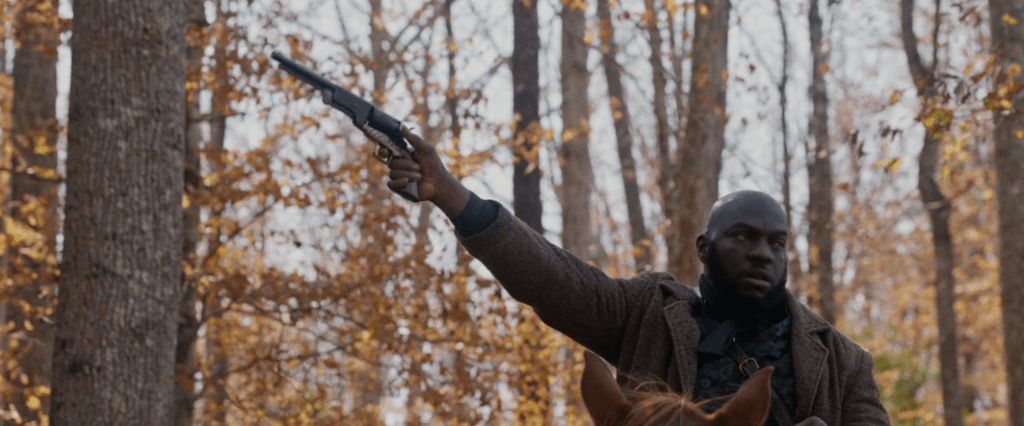
There’s a lot you can infer about his character just from him being a Black slave catcher. Black slave catchers did exist back in the day, and when you think about it, you can understand why. While there’s an adversarial aspect along racial lines which Marie pointed out before being killed:
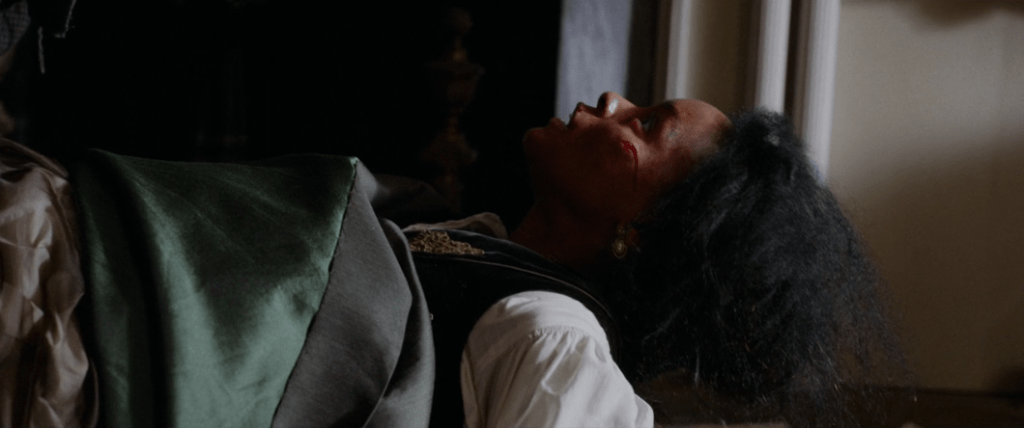
There is a logical explanation when you think about it. Considering opportunities for free Black people were limited, it’s possible Bigger Long had a hard time finding work. While we never see his personal life, it’s possible he had a family he needed to support. That, and as you can see from the wanted posters:
It’s unclear if Bigger Long felt any remorse for what he was doing. Sometimes it even seemed like he took pleasure in his work.
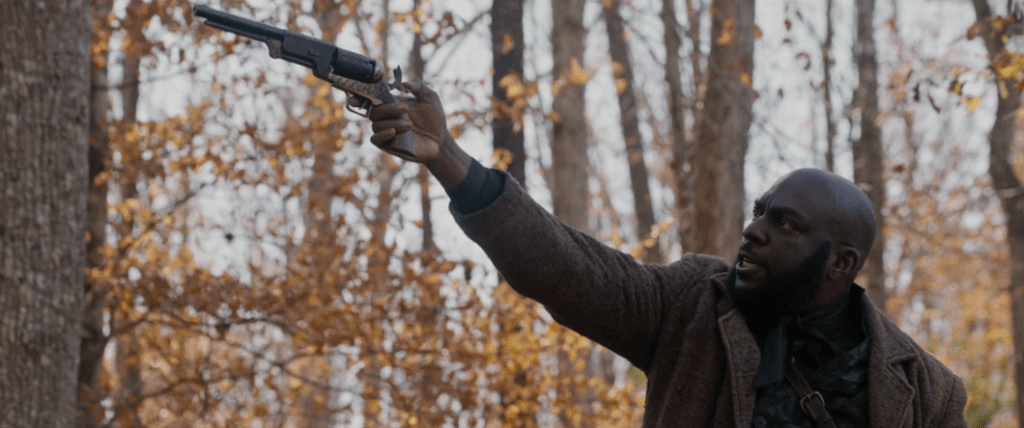
But there’s clearly a complex story here even if we never see it. If someone made a movie starring a Black slave catcher, there are several layers to be explored there.
I’m realizing that this whole review sounds like an extended version of one of my conclusions, so let’s wrap up.
What’s the verdict? In my eyes, should you see it or not see it? Despite my issues, I’d still say it’s worth a look. Not only is it the first feature film to cover Harriet Tubman’s life, but I’m very glad I saw it. Given the limited knowledge we have on the specifics of Tubman’s life, this film blends reality and fiction well. In a way, Harriet Tubman’s life was already like a movie. This film just made it a reality, and it translates to a powerful historical epic.
The more I think about it, the problems I have with this movie are mostly personal. Not to say that the filmmakers made bad choices, just that this film didn’t represent what I was hoping to see in a Harriet Tubman movie. Like I mentioned in my intro, Harriet Tubman is still one of my top tier historical badasses. There are bits and pieces of Tubman kicking ass and taking names here, but it’s not the focus. Then again, it probably wasn’t supposed to be.
Please, just one more…
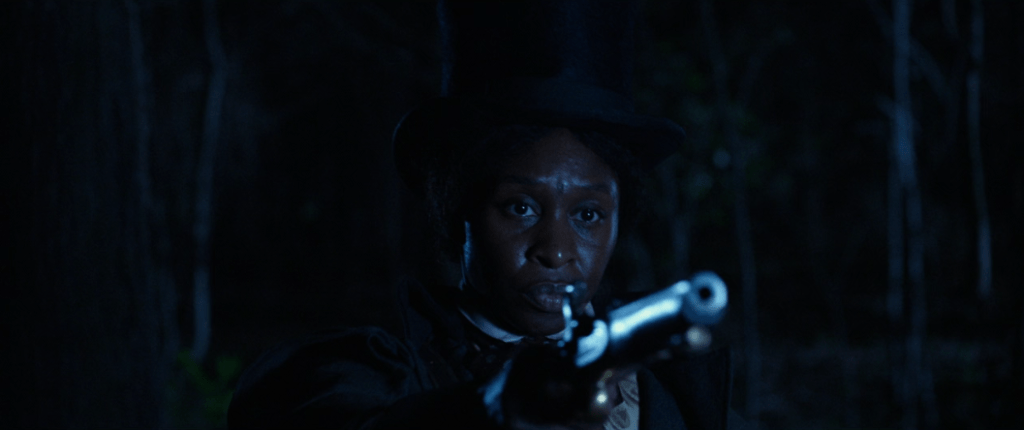
I wish I was that cool…
This movie was more about personal struggle and overcoming all odds. And, in fairness, that is what Harriet’s story was about. As a result, I can’t say this is a bad movie. Far from it. I’ll even say this movie is really good. It’s just that, I probably should’ve had a more open mind when looking it over. Also, what Harriet means to me isn’t important. What she means to Black people vastly outweighs what I think of her as a White person.
Since this movie was made by Black filmmakers, I’m sure they put everything they had into bringing her story to life. No matter what I think, there is still huge passion and dedication being portrayed on screen. Whether it’s the writing, camerawork, acting, or anything else, everyone is trying their best here. Since it’s done well, I can’t blame anyone for giving us this awesome movie 150 years overdue. Go check it out, and see why Harriet is Moses.
I’ve been flip-flopping back and forth on how to rate this movie for a while. After thinking about it for way longer than necessary, I’ve decided it’s earned a 4.5/5 locomotives. When not obscured by my personal tastes, there’s a lot of great stuff here. Complex discussions, tension in every mission Harriet undertakes, emotional connection with her and her family, and a deeper understanding of her as a person. So I ask me, what’s wrong with that?

Because “Underground Railroad?”
…
I’ll show myself out.
Thank you all for joining me for Black History Month! It was a lot of fun to do, and I hope y’all enjoyed it just as much as me. Next week we’ll be heading back to our regular reviews, so hold on tight and we’ll see you soon. Have a great week!
(I make no claim of ownership for any of the images used in this post)
(Each of them are owned entirely by their respective copyright holders, which are not me)
(I’m just a humble blogger who talks about movies, I do not make them)
(Yet)
 TGIMovies
Leave a reply to Ocean’s 11 (1960) – TGIMovies Cancel reply